The Best Computer Science Books
Computer science reading should make you better at shipping real systems, not just memorizing terms. This page now covers practical picks across coding, architecture, algorithms, systems, reliability, and applied machine learning.
Use this sequence if you want momentum: start with engineering fundamentals, move to architecture, then deepen algorithms and systems. Add ML and SRE based on your role.
In This Article
Engineering core books
These are the books that improve day-to-day coding quality and team output regardless of language stack.
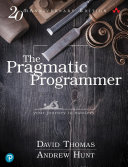
✓ Clear principles that still apply across languages. Great for daily engineering judgment. Easy to revisit chapter by chapter.
△ Some tooling references are dated. Not a beginner syntax tutorial.
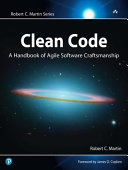
✓ Concrete refactoring examples. Useful team language for code review standards. High impact for mid-level developers.
△ Opinionated style choices. Some examples feel old compared to modern ecosystems.
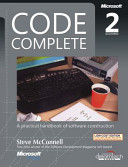
✓ Comprehensive engineering handbook. Strong chapters on complexity control. Great long-term desk reference.
△ Large and dense. Some examples are legacy-era, not modern framework specific.
Architecture and system design
When systems get bigger, architecture choices matter more than individual line-level optimizations.
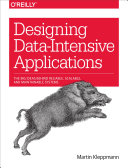
✓ Best modern systems thinking book for backend engineers. Clarifies hard tradeoffs clearly. Strong foundation for architecture interviews.
△ Not a beginner book. Heavy conceptual load if distributed systems are new to you.
✓ Practical and readable architecture entry point. Strong coverage of architecture characteristics. Good bridge from coding to design.
△ Less low-level implementation detail. Some examples are conceptual rather than code-heavy.
✓ Excellent for senior engineers tackling complex architectures. Real-world decision patterns. Strong extension to architecture fundamentals.
△ Advanced material for experienced engineers. Can feel abstract without production context.
Algorithms and data structures
Use this stack for interview prep, performance reasoning, and better data-structure decisions in production code.
✓ Authoritative depth and breadth. Excellent long-term reference. Covers theory and analysis rigorously.
△ Very dense for beginners. Not ideal as a first algorithms book.
✓ Fast on-ramp for algorithm fundamentals. Visual explanations reduce intimidation. Great prelude to harder texts.
△ Limited depth for advanced interview prep. Not a replacement for comprehensive references.
✓ Very approachable explanations. Strong bridge from basics to interview-level thinking. Good practical examples.
△ Less mathematically rigorous than academic texts. Advanced topics are lighter.
✓ Excellent low-level systems foundation for software engineers. Improves debugging and performance intuition. Strong companion for C/C++ learners.
△ Can be challenging without systems background. Requires patience with technical depth.
These picks help with modern production constraints: uptime, incident response, and applied ML workflows.
✓ Solid reliability operating model. Practical SLO and incident guidance. High value for platform and DevOps teams.
△ Some examples assume larger org scale. Not focused on application-level coding.
✓ Practical ML implementation focus. Strong notebooks and hands-on flow. Good bridge from theory to project work.
△ ML toolchains evolve quickly. Requires Python basics before starting.
FAQ
What is the best first computer science book for working engineers? The Pragmatic Programmer is the strongest first pick for most working engineers because it improves coding decisions immediately.
Should I start with Grokking Algorithms or Introduction to Algorithms? Start with Grokking Algorithms if you need a visual and easier ramp, then move to Introduction to Algorithms for depth.
Which architecture book should I read first? Start with Fundamentals of Software Architecture, then read Designing Data-Intensive Applications and Software Architecture: The Hard Parts.
Can audiobooks replace technical CS books? Not fully. Audiobooks help with concepts, but technical books still work better for code, diagrams, and implementation details.
What’s Next
About These Recommendations
I’m George. I read to my kids for 10+ years before they started reading on their own. My wife’s a therapist who helped pick books that actually matter for development. Everything on this site got tested on our family first.
More about me →